


Tokyo Travel Guide Where to Stay Top Sights and Essential Japan Tourism Tips
Tokyo can feel simple and overwhelming at the same time. Trains run with precision, convenience stores solve half your problems, and neighborhoods shift from quiet shrines to neon canyons in a few blocks. The challenge is not whether Tokyo is worth visiting. The challenge is choosing where to stay, what to see first, and how to move through Japan with less guesswork.
This guide covers the basics for a first trip: the best Tokyo neighborhoods to use as a base, the top sights worth building a day around, and the practical Japan tourism tips that make everything smoother.

Choose where to stay based on how you want to travel
Tokyo is huge, but visitors do not need to understand every ward before booking a hotel. The easiest approach is to stay near a useful train or subway station, then group sightseeing by area.
For most first-time visitors, the best areas are Shinjuku, Shibuya, Ginza, Tokyo Station, Ueno, Asakusa, and Roppongi or Akasaka. Each works well, but each changes the rhythm of your trip.
Area | Best for | What to expect |
Shinjuku | First-timers, nightlife, transport | A major rail hub, busy streets, lots of food, easy day trips |
Shibuya | Shopping, cafés, younger energy | Famous crossing, fashion streets, quick access to Harajuku and Ebisu |
Ginza | Comfort, dining, polished city walks | Upscale hotels, department stores, calm evenings, close to Tokyo Station |
Tokyo Station | Short stays and onward travel | Excellent train access, business-district feel, near the Imperial Palace |
Ueno | Museums, parks, better value | Ueno Park, Ameyoko market, good transit, more local feel |
Asakusa | Traditional atmosphere | Senso-ji Temple, old Tokyo streets, views toward Tokyo Skytree |
Roppongi or Akasaka | Dining, museums, international feel | Good restaurants, nightlife, central location, easy subway access |
Shinjuku is the easiest all-around choice
Shinjuku works because it connects well to almost everywhere. The station is large and confusing at first, but the neighborhood gives travelers what they need: hotels at many price points, late-night dining, shopping, and direct access to places like Hakone or the Fuji area through certain rail services.
Stay on the west side for a calmer hotel base. Stay closer to the east side if you want restaurants, bars, and bright evening streets within walking distance.
Shibuya is best for modern Tokyo
Shibuya puts you near the famous scramble crossing, Hachiko statue, Harajuku, Omotesando, and Yoyogi Park. It suits travelers who want shopping, casual food, cafés, and easy nightlife. It is also a good base for exploring Daikanyama, Nakameguro, and Shimokitazawa.
Shibuya can feel crowded, especially around the station. Booking a hotel a few minutes away from the main crossing can give you the same convenience with less noise.
Ginza and Tokyo Station are ideal for comfort and logistics
Ginza feels orderly and polished. It is great for travelers who prefer quieter nights, high-quality dining, and elegant shopping streets. Tokyo Station is especially useful if you plan to take the shinkansen, Japan’s bullet train, to Kyoto, Osaka, or other cities.
These areas often cost more, but they save time. They also make airport transfers and early departures easier.
Ueno and Asakusa offer value and older Tokyo character
Ueno is practical and often more affordable than Shinjuku or Ginza. Ueno Park has museums, temples, and cherry blossoms in season. Nearby Ameyoko is lively, casual, and good for snacks.
Asakusa is one of the best areas for a slower stay. Senso-ji Temple anchors the neighborhood, and side streets still hold traditional shops, sweets, and small restaurants. It is not as central for every attraction, but it gives a strong sense of place.
Build your sightseeing around neighborhoods, not single attractions
Tokyo rewards smart routing. If you crisscross the city all day, trains will eat your time. Pick one or two nearby areas per day and explore them well.

Start with Asakusa and Tokyo Skytree for classic Tokyo
Senso-ji Temple in Asakusa is one of Tokyo’s most famous sights for good reason. The approach along Nakamise-dori has snacks, souvenirs, and a clear sense of ceremony. Go early if you want quieter photos, or visit at night when the temple grounds are lit in a calmer way.
From Asakusa, you can walk or take a short ride toward Tokyo Skytree. The tower itself offers sweeping views, and the surrounding complex has shops and restaurants. Even if you skip the observation deck, the view of Skytree from the Sumida River area is memorable.
Pair Shibuya, Harajuku, and Meiji Shrine
This is one of the easiest Tokyo days to plan. Start at Meiji Shrine, set inside a forested area near Harajuku. It offers a quiet contrast to the nearby shopping streets.
After the shrine, walk through Harajuku and Omotesando. Takeshita Street is crowded and playful, while Omotesando feels more polished. Finish in Shibuya for the crossing, shopping, and dinner.
If you want a calmer add-on, walk to Yoyogi Park or explore Cat Street between Harajuku and Shibuya.
Spend a day in Ueno, Yanaka, and Akihabara
Ueno Park is a strong choice for museums and relaxed walking. The Tokyo National Museum is one of Japan’s major cultural museums, and the park area has enough to fill several hours.
From Ueno, Yanaka offers a quieter look at older residential Tokyo. Small temples, narrow lanes, and neighborhood shops make it a good break from the major tourist spots.
Akihabara is close by and works well at the end of the day. It is known for electronics, anime, manga, arcades, and themed shops. Even if you are not a fan of pop culture, the area is visually striking.
Save time for Shinjuku at night
Shinjuku is useful by day, but it becomes more interesting after sunset. The Tokyo Metropolitan Government Building has free observation areas, though hours and access can change. Omoide Yokocho has narrow lanes lined with small eateries, while Golden Gai is known for tiny bars.
Kabukicho is bright and busy. It is fine to walk through, but use normal city awareness. Stick to places with clear menus and prices, and avoid anyone aggressively trying to pull you into a bar or club.
Add one slower neighborhood
Tokyo’s famous sights are worth seeing, but a slower neighborhood often becomes the favorite part of a trip. Try one of these if your schedule allows:
Kichijoji
Good for Inokashira Park, shopping streets, relaxed food, and a local weekend feel.
Shimokitazawa
Known for vintage shops, small cafés, music venues, and narrow pedestrian streets.
Daikanyama and Nakameguro
Great for design shops, bakeries, riverside walks, and a quieter afternoon.
Kagurazaka
A former geisha district with sloped lanes, French influence, and refined dining.
Use these Japan tourism basics before your first day out
Good planning in Japan is less about strict rules and more about reducing friction. A few basics will help from the moment you land.
Airport arrival is easier if you know your landing point
Tokyo has two main international airports: Haneda and Narita.
Haneda is closer to central Tokyo. It usually offers quicker transfers to areas like Shinagawa, Tokyo Station, Shibuya, and Shinjuku. Narita is farther out, but it has reliable train and bus links into the city.
Before you fly, check the best route from your arrival airport to your hotel. Do not assume a taxi is the easiest choice. Taxis are clean and reliable, but airport rides can be expensive, especially from Narita.
IC cards make transit simple
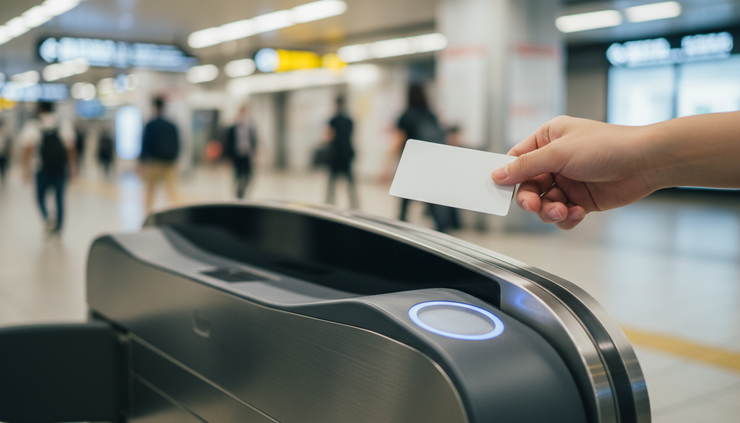
Tokyo’s train and subway network looks complex, but it becomes manageable with an IC card such as Suica or Pasmo. These prepaid cards work on most trains, subways, buses, and many vending machines and convenience stores.
Physical card availability can change, and many travelers now use mobile versions through compatible phones. Check current options before arrival. If you cannot get an IC card, regular tickets still work, but they add small decisions to every ride.
Google Maps and similar navigation apps are very useful in Tokyo. They show platform numbers, train types, transfers, and exit suggestions. Pay attention to exits, since large stations can place you several blocks from your destination if you choose the wrong one.
Cash still matters
Japan has become much more card-friendly, but cash remains useful. Small restaurants, temples, older shops, coin lockers, and local markets may prefer or require cash.
Convenience stores are a reliable place to withdraw yen from international cards. Keep a mix of bills and coins. Coins are used often, especially for lockers, vending machines, and small purchases.
Convenience stores are part of travel life
Japanese convenience stores are not just for snacks. They sell meals, coffee, toiletries, socks, umbrellas, stationery, basic medicine, luggage supplies, and event tickets. Many also have ATMs, restrooms, and parcel services.
For travelers, they are an easy breakfast stop and a late-night backup plan. Rice balls, sandwiches, salads, hot foods, and bottled drinks are dependable and affordable.
Learn a few etiquette basics
Tokyo is orderly, and small habits make travel smoother.
Stand on one side of escalators and follow local flow.
Keep phone calls off trains.
Line up where platform markings show.
Carry a small trash bag, since public trash cans can be limited.
Avoid eating while walking in crowded areas.
Use both hands or a small tray when paying at many shops.
Keep voices low on public transit.
No one expects visitors to know every custom. A calm, observant approach goes a long way.
Plan a Tokyo itinerary that fits your pace
A first Tokyo trip can work in three days, but five to seven days feels much better. Tokyo is not only a checklist city. It is a place where small discoveries matter.
A simple three-day Tokyo plan
Day one
Asakusa, Senso-ji Temple, Sumida River, Tokyo Skytree, Ueno or Akihabara.
Day two
Meiji Shrine, Harajuku, Omotesando, Shibuya, dinner in Ebisu or Shinjuku.
Day three
Tsukiji Outer Market, Ginza, Imperial Palace East Gardens if open, Tokyo Station, Shinjuku at night.
This plan covers major sights without wasting too much time in transit. It also gives you a mix of old Tokyo, modern shopping districts, food areas, gardens, and night views.
If you have five or more days
Add slower neighborhoods and one day trip. Good day trip options from Tokyo include Kamakura for temples and the coast, Nikko for shrines and nature, Yokohama for waterfront walks and food, or Hakone for hot springs and views of Mount Fuji when the weather cooperates.
If Kyoto or Osaka is part of your trip, do not overload Tokyo with day trips. Save energy for the rest of Japan.
Food should be part of the plan
Tokyo is one of the world’s great food cities, but you do not need every meal to be famous. Plan a few specific food goals, then leave room for chance.
Try:
Sushi at a counter, market stall, or casual chain
Ramen from a ticket machine shop
Soba or udon for a simple lunch
Tonkatsu with shredded cabbage and rice
Yakitori in a small grilled chicken restaurant
Depachika food halls under department stores
Seasonal sweets from a traditional shop
Restaurants in Japan can be small. Popular places may have lines, and some require reservations. A smart mix of planned meals and casual finds keeps food fun instead of stressful.

Pack and prepare for an easier Japan trip
Tokyo is highly convenient, but a few choices before departure can make the trip much better.
Comfortable shoes matter more than stylish outfits. A normal Tokyo day can include long station walks, stairs, temple paths, park trails, and standing meals. Pack shoes you already trust.
Bring a small day bag for a water bottle, portable charger, hand towel, passport, and trash bag. A compact umbrella helps in rainy seasons, though you can also buy one easily after arrival.
Japan uses Type A and Type B plugs, similar to the United States, and the voltage is lower than in the U.S. Most modern phone and laptop chargers handle this, but check your device labels. Bring any adapters you need if your plugs differ.
If you plan to use luggage forwarding between cities, ask your hotel about `takkyubin`. This service lets travelers send suitcases to the next hotel, often by the following day or a later specified date. It is especially helpful when taking trains with kids, ski gear, or large bags.
For internet, many visitors use an eSIM, pocket Wi-Fi, or international roaming. Set this up before landing if possible. Train navigation, translation, restaurant searches, and ticket confirmations all become easier with steady data.
A final practical note: carry your passport. Visitors may need it for hotel check-in, tax-free shopping, and identification. Keep a copy stored separately, but carry the original securely.
The best Tokyo trip leaves room to wander
The strongest Tokyo itinerary balances structure with open time. Book a hotel near good transit, group your days by neighborhood, learn the basic train and payment systems, and choose a few sights that truly matter to you.
Then leave space for a bakery you did not plan, a shrine on a side street, a perfect bowl of noodles, or a quiet ride above the city on the Yamanote Line. Tokyo works best when the plan gets you started, and curiosity carries the rest of the day.


Comments