


Big Island Travel Guide Where to Stay When to Go and What to See
The Big Island rewards travelers who plan around distance, weather, and terrain. It looks compact on a map, but it is the largest island in Hawaii, with lava fields, rainforests, ranch country, beaches, waterfalls, and one of the world’s most active volcanic regions. Trying to “see it all” from one hotel can turn a dream trip into a long commute.
A better plan is simple: choose the right base, match the season to the trip you want, and group sights by region. This Big Island travel guide covers where to stay, when to go, and what to see without turning the island into a checklist.

Where to stay on the Big Island
The best place to stay depends less on hotel style and more on what kind of trip you want. The island has two main visitor sides, Kona and Hilo, plus resort areas along the Kohala Coast and quieter towns inland or near the volcano.
Most first-time visitors should either stay on the west side for beaches and sunshine, or split the trip between west and east to reduce driving.
Area | Best for | What to expect |
Kailua-Kona | First trips, dining, snorkeling, boat tours | Sunny weather, many condos and hotels, easy access to west coast beaches |
Kohala Coast | Resorts, beaches, golf, relaxation | Drier weather, polished resorts, higher room rates |
Hilo | Waterfalls, gardens, local food, east side exploring | Rainier weather, greener scenery, less resort polish |
Volcano Village | Hawaii Volcanoes National Park | Cool nights, quiet stays, easy access to crater overlooks and lava landscapes |
Waimea | Ranch country, cooler weather, central location | Good for repeat visitors, food lovers, and scenic drives |
Kailua-Kona is the easiest first base
Kailua-Kona works well for travelers who want convenience. The airport sits nearby, restaurants are easy to find, and many ocean tours leave from the west side. It is also a practical base for snorkeling at places like Kahaluʻu Beach Park, visiting coffee farms in Holualoa, and taking a night manta ray snorkeling or viewing tour.
Kona has a mix of hotel rooms, vacation rentals, and condo-style stays. If you want a kitchen, walkable meals, and easy sunsets, this area makes sense. The tradeoff is traffic near town at busy times and a more developed feel than other parts of the island.
The Kohala Coast is best for a resort trip
The Kohala Coast, north of Kona, has many of the island’s most polished resorts. This side is dry and sunny, with lava fields, manicured resort grounds, and access to some of the island’s best beaches.
Stay here if the plan includes pool time, beach days, spa appointments, or golf. It is also a good choice for a shorter trip when you do not want to change hotels. The downside is distance from Hilo and Hawaii Volcanoes National Park. A day trip is possible, but it becomes a long day.
Hilo gives you waterfalls and a greener island
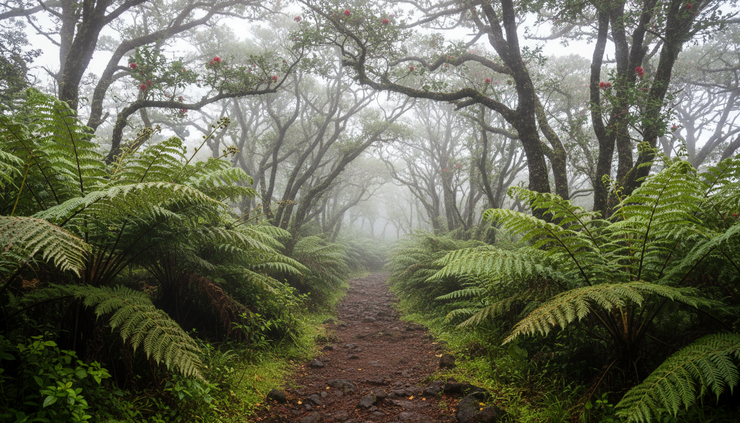
Hilo feels very different from Kona. It is rainier, cooler, and greener, with easy access to waterfalls, botanical gardens, and scenic drives along the Hamakua Coast. It also puts you closer to Hawaii Volcanoes National Park than the west side does.
Hilo is a good fit for travelers who care more about exploring than resort amenities. The lodging scene is smaller, and beach swimming is not the main draw. Go for local food, rainforests, farmers markets, and a more lived-in side of the island.
Volcano Village is ideal for park time
If Hawaii Volcanoes National Park is a top priority, spend at least one night in or near Volcano Village. The area is quiet and cool, especially at night, and it lets you visit the park early or stay after dark without a long drive back to Kona.
This is especially useful if volcanic glow is visible during your trip, since conditions can change. Even without active lava, the park has crater views, steam vents, lava tubes, petroglyphs, and trails through stark volcanic terrain.
When to go to the Big Island
The Big Island is a year-round destination, but the best time depends on budget, ocean conditions, and what you want to do. Temperatures near the coast stay warm through the year. The bigger difference is rainfall, crowds, and surf.
Spring and fall are the sweet spots
April, May, September, and October are often strong months for a Big Island trip. Crowds are usually lighter than major holiday periods, and weather is comfortable on both sides of the island. These months work well for road trips, snorkeling, and stays that mix beach time with hiking.
Spring can bring fresh greenery on the east side. Fall often has warm ocean conditions and a calmer feel after the summer rush.
Winter brings whales and bigger surf
Winter is popular for good reason. Humpback whales migrate through Hawaiian waters during the season, and whale watching can be a highlight. The tradeoff is higher demand around holidays and winter breaks.
Surf can be bigger in winter, especially on exposed shores. That can make some beaches better for watching than swimming. Always check local conditions before entering the water, even at beaches that look calm from shore.
Summer is good for families and ocean days
Summer brings school vacations, warm conditions, and a good chance of calmer ocean days on many leeward beaches. It is a practical time for families, longer stays, and snorkeling-focused trips.
Book lodging and rental cars early if traveling during peak family vacation weeks. Popular tours, especially manta ray activities and boat trips, can fill in advance.
Rain depends on which side of the island you choose
Kona and the Kohala Coast are usually drier. Hilo and the Hamakua Coast are wetter and greener. That contrast is part of what makes the island so interesting.
Rain does not have to ruin a trip. A passing shower on the east side can make waterfalls stronger and gardens look their best. Pack a light rain jacket, keep plans flexible, and avoid scheduling all outdoor activities for one packed day.
What to see on the Big Island
The Big Island is not a place to rush. The main sights spread across long drives, and each region has a different mood. Choose a few priorities, then leave room for roadside fruit stands, scenic overlooks, and unplanned stops.
Hawaii Volcanoes National Park
Hawaii Volcanoes National Park is the island’s signature sight. It protects volcanic craters, lava fields, native forest, steam vents, and cultural sites. Even when no lava is visible, the park gives a rare look at how new land forms.
Top experiences include:
Walking through Nāhuku, also known as Thurston Lava Tube
Seeing Kīlauea crater overlooks
Driving Chain of Craters Road when conditions allow
Looking for steam vents and sulfur banks
Visiting petroglyphs along marked trails
Bring layers. The park sits at a higher elevation than the coast, and weather can shift quickly. Stay on marked trails and respect closures. Volcanic areas can be unstable, and closed areas may protect both safety and cultural resources.
Kona coffee country
The slopes above Kona are famous for coffee farms. Many farms offer tastings or tours, and the drive through areas like Holualoa gives you cooler air and wide ocean views.
This is a good half-day plan from Kailua-Kona. Pair a coffee stop with a visit to a painted church, a local bakery, or a small art gallery. It is also a useful break from midday heat near the coast.
Snorkeling on the west side
The west side has some of the island’s best snorkeling because the water is often clearer and calmer than the east side. Kahaluʻu Beach Park is one of the most accessible spots near Kona, while Two Step near Hōnaunau is popular with confident swimmers.
Kealakekua Bay is known for clear water and marine life, but access takes planning. Many visitors go by permitted boat tour or kayak with rules that protect the bay. Choose reef-safe sunscreen, keep distance from wildlife, and do not stand on coral.
Punaluʻu Black Sand Beach
Punaluʻu is one of the island’s most famous black sand beaches. The dark sand, coconut palms, and sea turtles make it memorable, even if you only stop briefly on the way to or from the national park.
Give turtles space. They rest on the sand, and getting too close can harm them or violate local rules. This beach is better for photos, a picnic stop, and tide watching than a casual swim, since conditions can vary.

Akaka Falls and the Hamakua Coast
North of Hilo, the Hamakua Coast offers some of the island’s best lush scenery. Akaka Falls State Park has a short loop trail through tropical plants to a tall waterfall viewpoint.
This region works well with a Hilo stay or an east side day trip. Add a scenic drive, a small town stop, or a garden visit if the weather is good. Expect rain, mud, and slippery paths at times, so wear shoes with grip.
Mauna Kea
Mauna Kea rises from sea level to a high alpine summit, making it one of the most dramatic drives in Hawaii. The summit area is sacred in Native Hawaiian culture and also known for astronomy.
Many travelers visit the visitor information area rather than the summit. If you go higher, check rental car rules, road conditions, altitude guidance, and weather before setting out. The summit is cold, and altitude can affect people quickly. Do not go if you feel unwell, and move slowly.
Sunset from the upper slopes can be beautiful, but it is not a casual beach outing. Bring warm layers and treat the place with respect.
How to plan your days without spending them in the car
A common mistake is booking one hotel and planning daily drives to every corner of the island. The distances are real. Kona to Hilo can take around two hours by the central road in good conditions, and loop drives take longer once you add stops, meals, rain, and traffic.
A split stay can make the trip feel calmer.
For a five-night trip, consider three nights in Kona or Kohala and two nights in Hilo or Volcano. That gives you beach time, snorkeling, and a better shot at enjoying the national park without rushing.
For a seven-night trip, try four nights on the west side, two nights near Volcano or Hilo, and one final night back near Kona if you have an early flight. This reduces backtracking and gives weather a chance to cooperate.
For a short three-night trip, pick one side. If beaches and tours matter most, stay in Kona or Kohala. If volcanoes and waterfalls matter most, stay in Hilo or Volcano.
A simple first-time route
This sample plan keeps the pace reasonable:
Day 1 Arrive, settle in, and watch sunset on the west side.
Day 2 Snorkel in the morning, visit Kona coffee country in the afternoon.
Day 3 Take a west coast beach day or manta ray tour.
Day 4 Drive to Volcano or Hilo, stopping at Punaluʻu if it fits your route.
Day 5 Explore Hawaii Volcanoes National Park.
Day 6 Visit Hilo, Akaka Falls, and the Hamakua Coast.
Day 7 Return to the west side, with a relaxed final dinner near the ocean.
This is only a framework. The best trips leave breathing room. On the Big Island, a slow stop at a fruit stand can be as memorable as a famous viewpoint.

Practical tips for a smoother Big Island trip
Renting a car is almost always the easiest way to explore. Public transit exists, but it does not serve most visitor plans well. Book early during school breaks and holiday periods.
Keep these tips in mind:
Respect the ocean Conditions change fast. If no one is in the water, there may be a reason. Ask lifeguards when available and read posted signs.
Pack for several climates A beach morning, rainy waterfall walk, and cool volcano evening can happen in one trip. Bring a swimsuit, rain layer, warm layer, hat, and sturdy shoes.
Do not rely only on cell service Download maps before long drives. Some rural areas and park roads have weak service.
Check access rules before remote stops Places like Waipiʻo Valley, Mauna Kea, and certain shoreline routes may have restrictions, safety concerns, or cultural considerations. Follow current local guidance.
Give wildlife space Sea turtles, monk seals, dolphins, and rays are protected. Watch quietly and keep a respectful distance.
Build in food planning Outside of Kona and Hilo, restaurants can be spread out or close earlier than expected. Carry water and snacks on long drives.
The Big Island asks for a different pace than some other Hawaiian islands. It is bigger, wilder in places, and more varied from coast to coast. Choose your base with care, travel with the weather instead of against it, and give each region enough time to show itself.
If the trip has one rule, make it this: do less each day, but choose better. A morning snorkel, a quiet coffee farm, a lava field walk, and a sunset over black rock will stay with you longer than a rushed lap around the map.


Comments